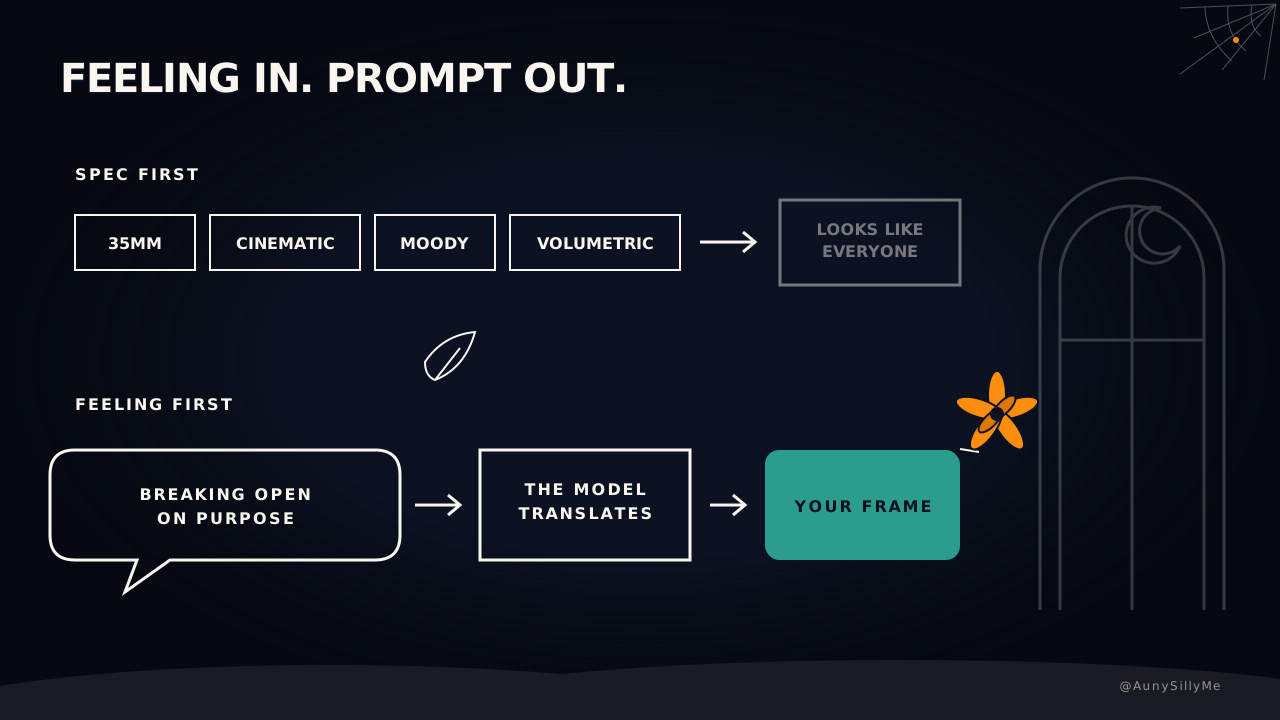
Camera angle. Lens type. Style name. Cinematic lighting, 35mm, moody atmosphere.
That vocabulary works, technically. It also produces pieces that feel like anyone's pieces, because everyone is typing the same words into the same models.
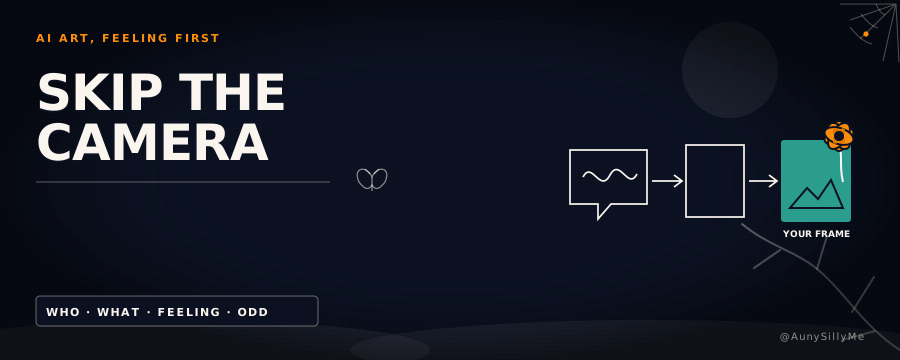
The shift is small and it changes everything: start with the feeling you're trying to give someone, and let the model do the translating into specs.
stop speaking the model's language
You are not a prompt engineer and you don't need to sound like one.
- open with the feeling, not the spec
- describe what you're picturing like you're telling a friend about a dream
- let the model turn that into the ratio, the light, the palette, the composition
Write the feeling first. The technical prompt is the output of that, not the input.
One real example, start to finish. The whole brief was a single line: something breaking open on purpose, half held together, half color. No camera angle. No lighting spec. No style name. The model assembled the full technical prompt from it, one detail got swapped by hand, and it generated.
the 4 things only you can supply
The trap is creative control, not technique. It is very easy to type "image of a woman in a dark forest" and let the model make every real decision, which is handing over your vision and hoping it guesses well.
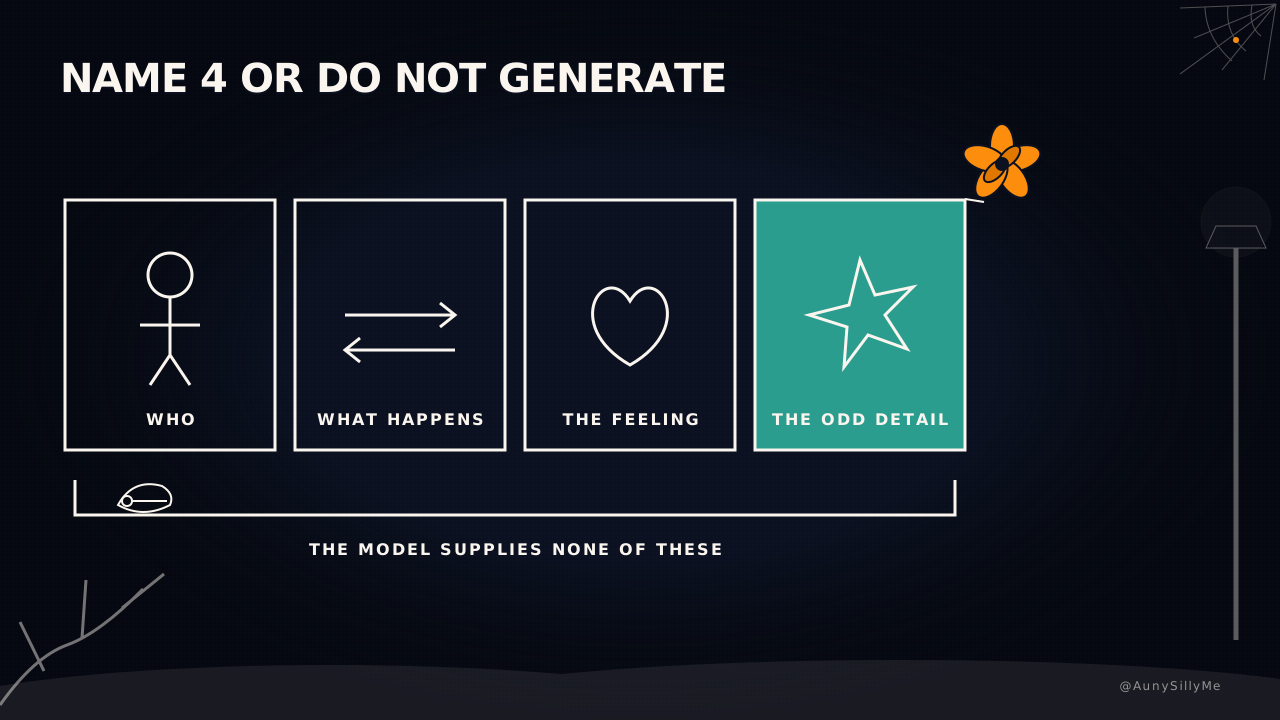
Before you generate anything, you should be able to name:
- who's in it
- what's happening
- what it's supposed to feel like
- the one detail nobody else would think to add
If you can't name those 4, you're not ready to generate. You're still deciding what you want, and the model cannot decide it for you.
Number 4 is what separates your work from the feed. The unexpected detail is the part a model will never volunteer, because it averages.
keep an archive of prompts that worked
This is the part that makes a style consistent instead of accidental.
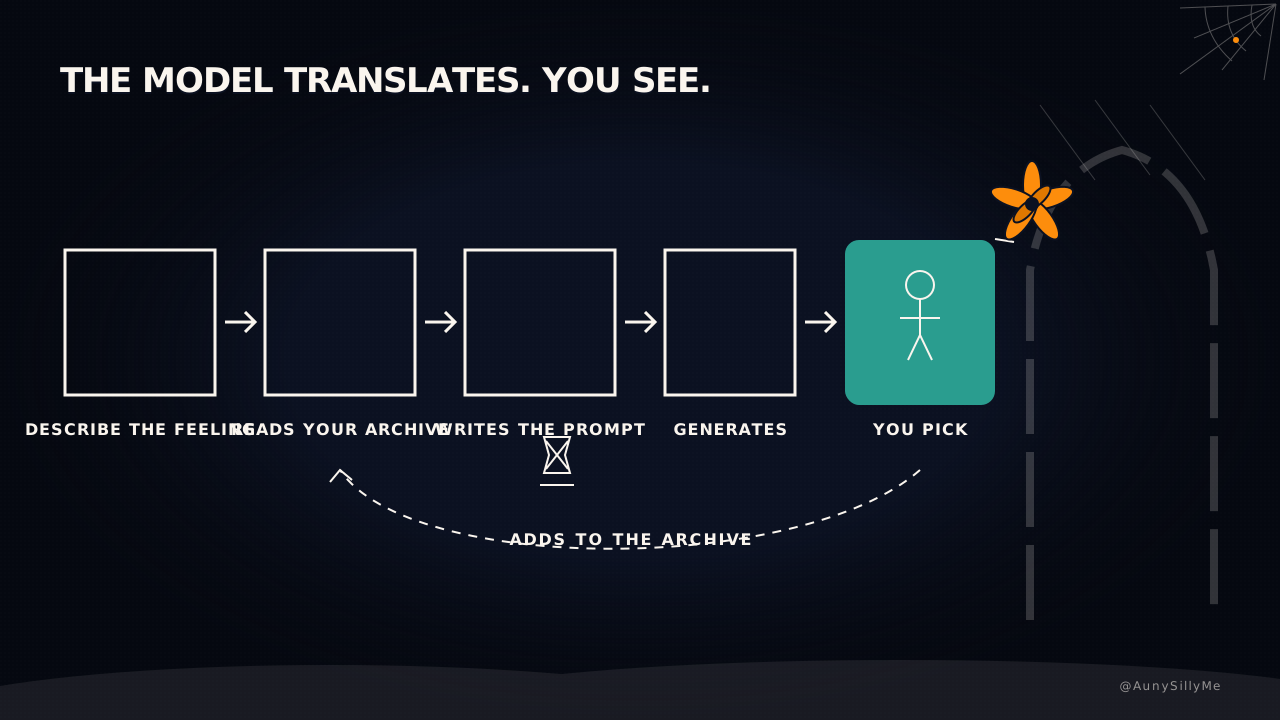
Keep a running file of every prompt you wrote that produced something you liked, tagged by mood and style. Then have the model read that file before it writes anything new.
What you get back is a prompt that already sounds like your work, so you can say "nocturne, but hopeful" and it knows what that means in your system: which color shifts, where the light source warms, how the mood lifts. No re-explaining the style spec every single time.
That archive is also how character consistency stops being luck. The recurring details live in a file instead of in your memory of what you typed three weeks ago.
one human check, always
The order that holds:
- you describe the scene: the character, the moment, the one unexpected detail
- the model assembles the technical prompt in your style's structure
- you read it back and swap anything that feels off
- you generate
- you pick the final image
That last step never moves. Feeling in, prompt out, one human check before it ships. The model does the translating. You still do the seeing.
do this tonight
Take the last image prompt you wrote. Delete every camera and style word in it. Write the feeling first, then the 4 things, like you're telling a friend.
Generate both. Put them side by side. The difference is the part you were outsourcing 🧡
1:1 call · matches this post
AI Workflows for Creators
want your style spec written down and your prompt archive set up so every new piece starts already sounding like you? That's the AI Workflows for Creators call.