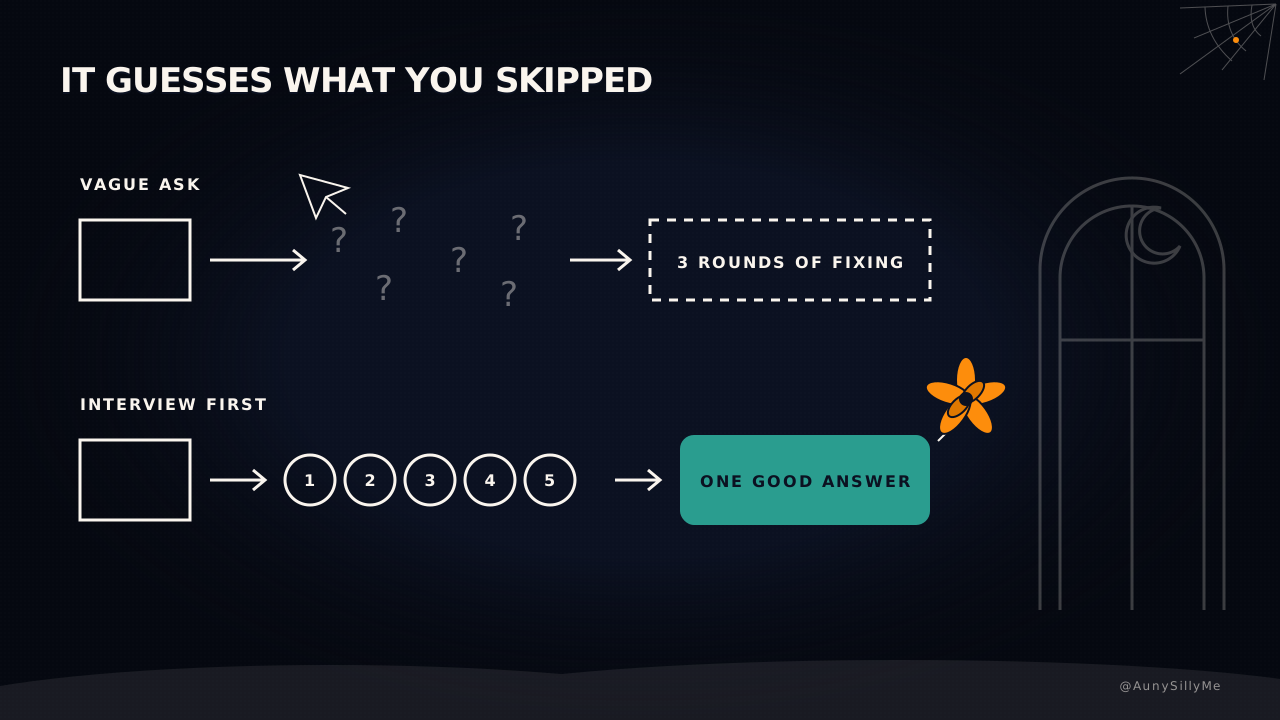
Most bad AI output comes from the model guessing at everything you didn't say.
You hand it a half-formed goal. It fills the gaps with the most average version of an answer. Then you spend 3 rounds dragging it back to what you actually meant.
The fix isn't a longer prompt. It's making the model stop and ask you first.
the line to paste
Paste this instead of your half-formed ask:
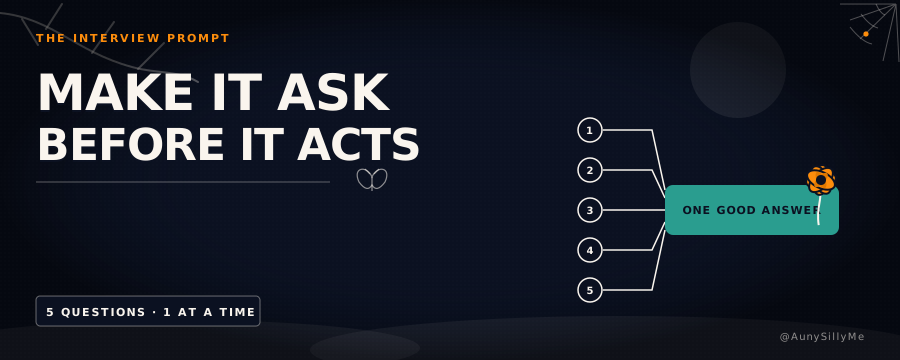
don't solve this yet. ask me the 5 questions you'd most need
answered to do this well. then wait.
That's the whole thing. The model stops performing and starts scoping.
And often the part that unsticks you is answering its questions, because it makes you say the parts you were skipping.
why it beats a longer prompt
The usual advice for a vague result is to write a longer, more detailed prompt. Sometimes that works.
But you can't detail your way out of a thing you haven't figured out yet.
The interview flips the work:
- instead of you predicting every question the model might have
- the model surfaces them for you
- you answer, and the brief writes itself
3 places it earns its keep:
- planning anything with moving parts. A launch, a trip, a content calendar. The questions become the checklist.
- writing in your voice. It asks who it's for, what feeling you want, what to avoid. That's the brief you skipped.
- technical setup. It asks about your constraints before it recommends the wrong tool for them.
the 2 versions to keep
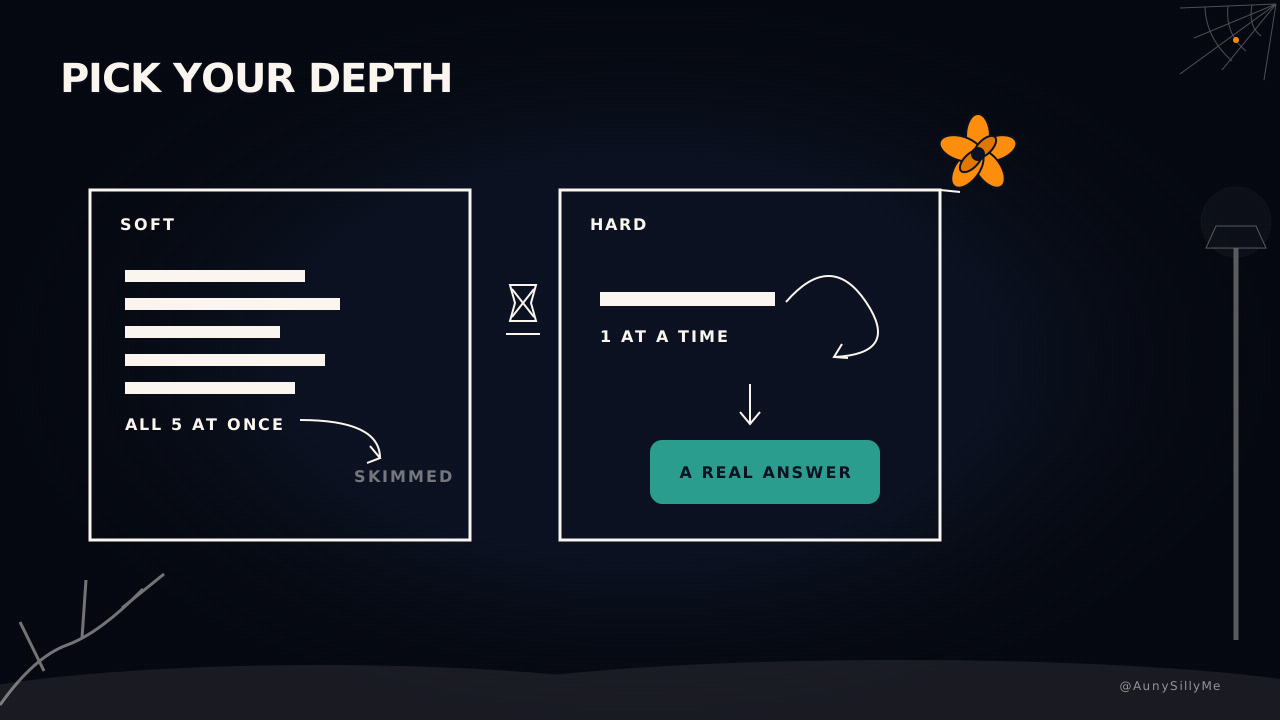
the soft one, for when you mostly know what you want and can't get the first sentence out:
ask me the 5 questions you'd most need answered, then begin.
the hard one, for when you're genuinely lost:
don't solve this. interview me until you understand it better
than i do. 1 question at a time, wait for each answer.
One at a time matters. A wall of 5 questions gets skimmed. One question gets a real answer.
The tell that it's working: halfway through the interview you already know what you want to do, and you haven't read a single line of the model's answer yet.
the input is the whole game
Every complaint about AI output being generic traces back to the same place: the input was generic.
The model mirrors what you give it. A lazy ask gets a lazy answer, and no amount of re-rolling fixes an ask that never said what you wanted.
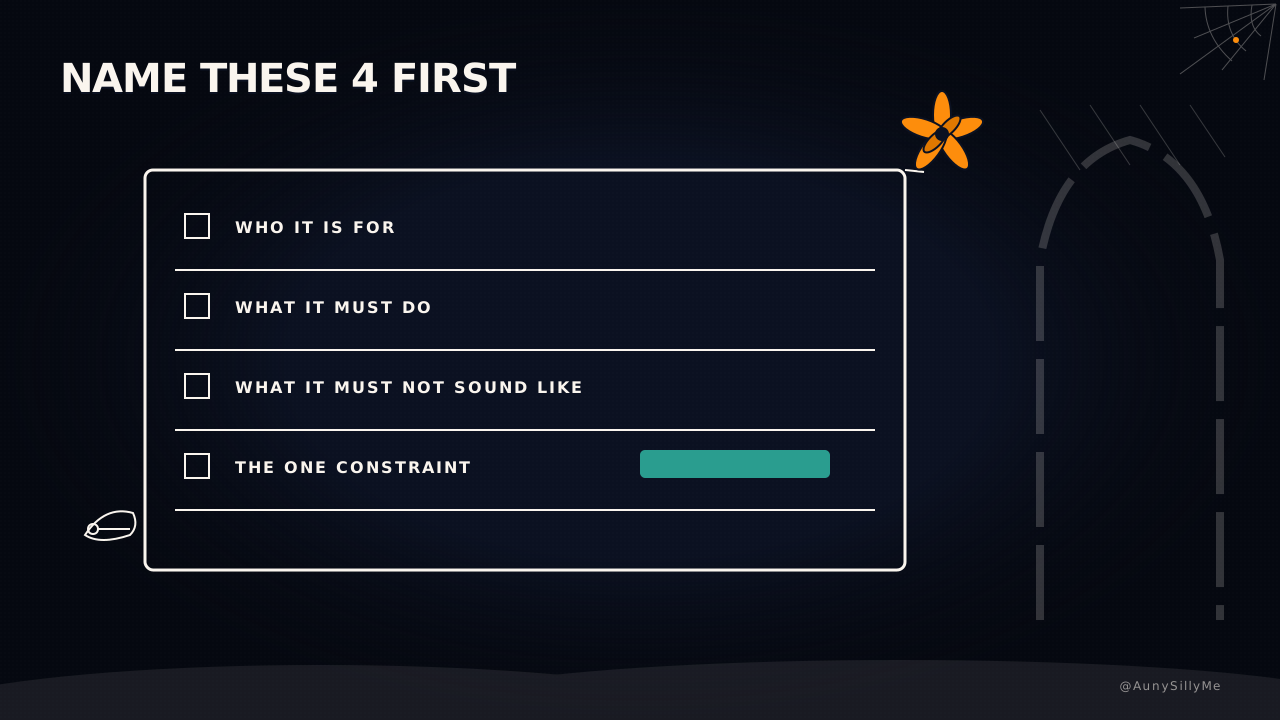
So before you prompt anything that matters, you should be able to name:
- who it's for
- what it has to do for them
- what it must not sound like
- the one constraint that rules out the obvious answer
If you can't name those, you're not ready to prompt. You're still deciding. The interview is how you decide faster.
do this tonight
Take the last thing you asked an AI that came back generic. Paste the soft line above it. Answer honestly, one question at a time.
Then notice which question you couldn't answer. That's the one that was wrecking the output all along 🧡
1:1 call · matches this post
AI Workflows for Creators
want your prompts, your context and your whole AI setup built into a system that stops guessing at you? That's the AI Workflows for Creators call.