A cold partnership email lands. Free access to a tool, plus commission on anything you sell your audience.
Before replying, run the tool and the sender through a search. It will tell you more than either email did, and it costs about 5 minutes.
Here's the test, in the order it works.
the two-email tell
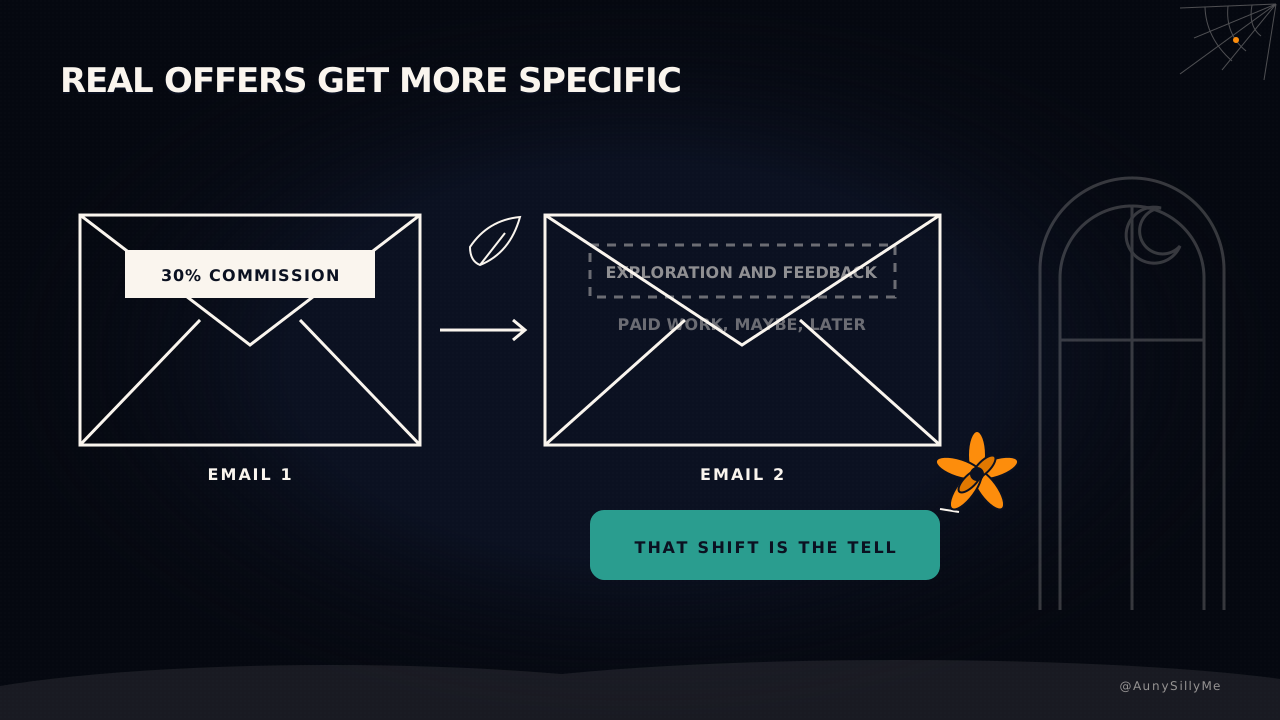
Watch what changes between the first message and the follow-up.
One real example: the first email offered a flat 30% affiliate commission. The follow-up quietly walked that back to "product exploration and feedback", with paid work dangled as a maybe, later.
That shift is the tell on its own. No money now, maybe money later, phrased to sound like an upgrade. A real offer gets more specific when you ask questions. A bad one gets vaguer.
the review-footprint test
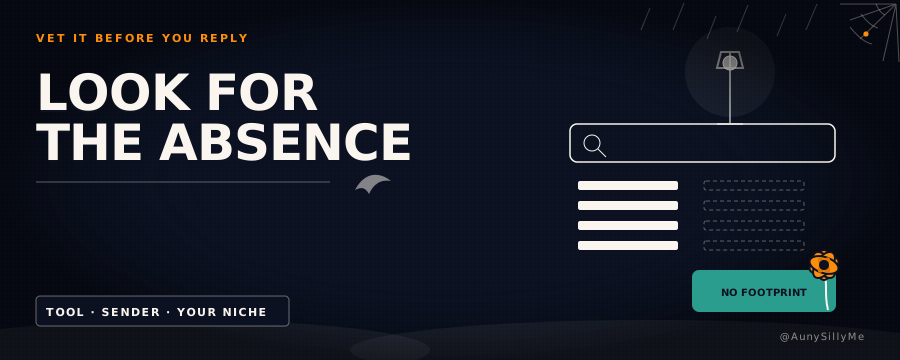
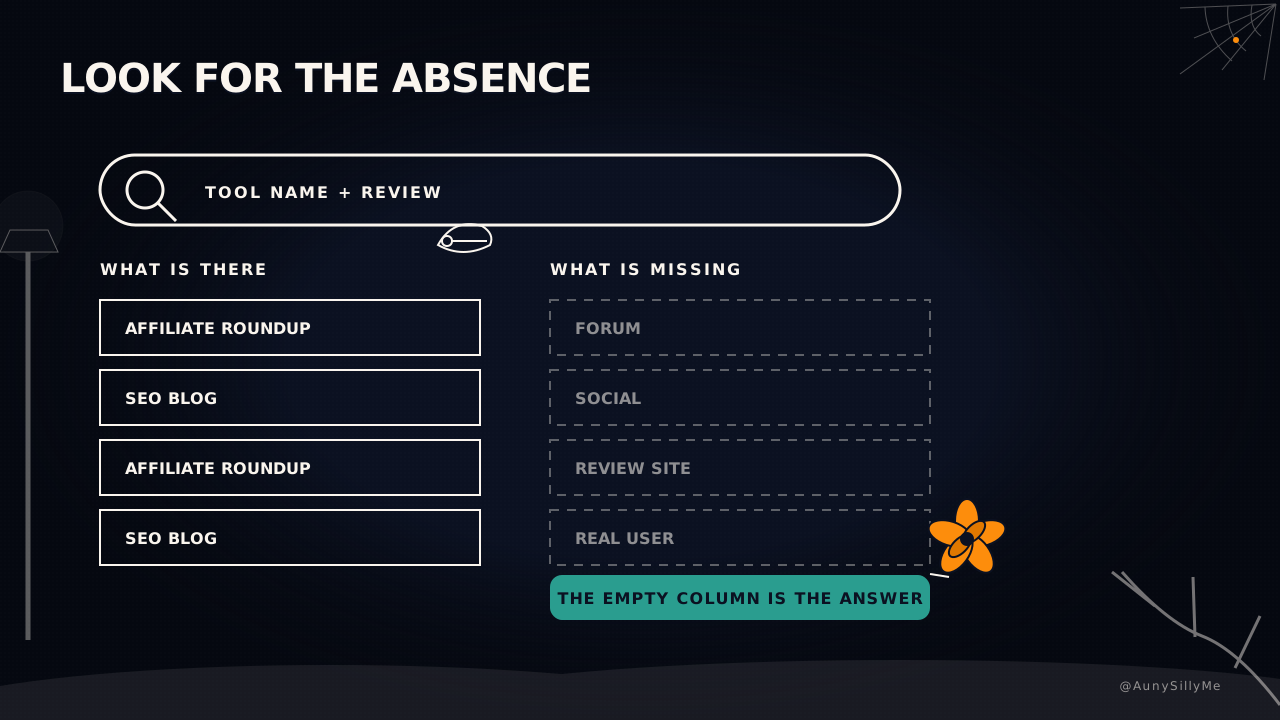
Search the tool's name plus the word review. Then look at what's actually there, not how many results came back.
- if every single result is an SEO blog or an affiliate roundup
- and there's nothing on social platforms, forums, or the usual review sites
- that absence is your answer
Real users leave a footprint somewhere. A tool with zero organic footprint either has no real users yet, or the ones who tried it had nothing good to say and nowhere to say it.
This is the part AI makes genuinely harder, and also the part it helps most with. A convincing landing page, a full set of testimonials and a polished demo video now cost almost nothing to produce. What still can't be faked cheaply is a trail of unpaid strangers talking about a thing in places nobody was paid to post.
So stop evaluating the pitch. Evaluate the absence around it.
then search the sender
Run the same search on the agency or person sending the offer, not just the product.
In that same case the sender's domain turned up on a scam-tracking site flagged as low-trust, and someone in the same niche had already publicly warned that this exact email was scam-adjacent.
That's the step people skip. The product might be real while the people brokering it are not, and the two searches take the same 30 seconds.
your peers are the fastest filter
The last search is your own niche plus the tool or sender's name.
Someone in your circle has usually already been pitched, already replied, and already posted about how it went. Creators warn each other faster than any review site updates.
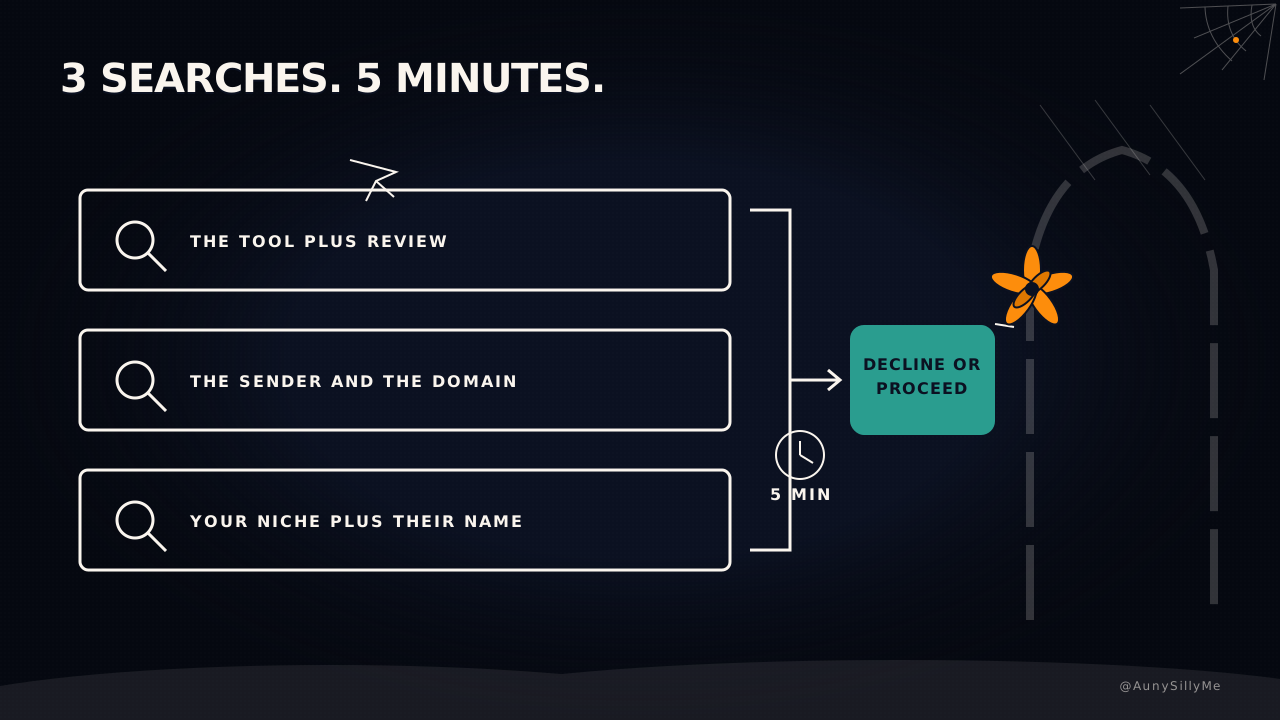
The whole vetting cost of that example was one search and about 5 minutes: no installer opened, no files downloaded, nothing beyond a polite decline.
Run it on anything that arrives dressed as an opportunity:
- search the tool plus review, and read the absence
- search the sender and their domain
- search your niche for anyone already burned
do this tonight
Go to the last cold offer sitting in your inbox. Don't reply. Run the 3 searches.
If the only trace of them anywhere is content someone was paid to write, you already have your answer 🧡
1:1 call · matches this post
AI Workflows for Creators
want this vetting turned into a repeatable check your own AI runs on every inbound offer? That's the AI Workflows for Creators call.